We have been telling stories for millennia. First, there were the tales that gathered our communities around the fire, or the legends and traditions passed down from generation to generation. With the rise of the first civilizations, writing was born so that myths, beliefs, and grand narratives could find a medium to endure. Centuries later, stories began circulating systematically and in multiples: the printing press emerged, accelerating the transmission of knowledge about the world. A pace that the information age multiplied, increasing the speed at which images and text circulate in an instant, from the tips of our fingers and across the globe. And as I write these lines, Artificial Intelligence blurs the boundaries between reality and imagination.
The tools we have to tell our world have been shaped by the multiple political, social, and cultural transformations experienced by humanity. Concreta 21 proposes a genealogy of the media, channels, and portals we have employed in fiction through the immaterial, mysterious, and malleable lens of fantasy. Understood as a literary or cinematic genre, or linked to game design, fantasy generates moments of uncertainty or hesitation, where the coordinates of what we consider “real” are altered. It helps us renegotiate hegemonic categories of knowledge and invites us to venture into other places and temporalities that escape our usual ways of seeing, hearing, feeling, understanding, or narrating reality.
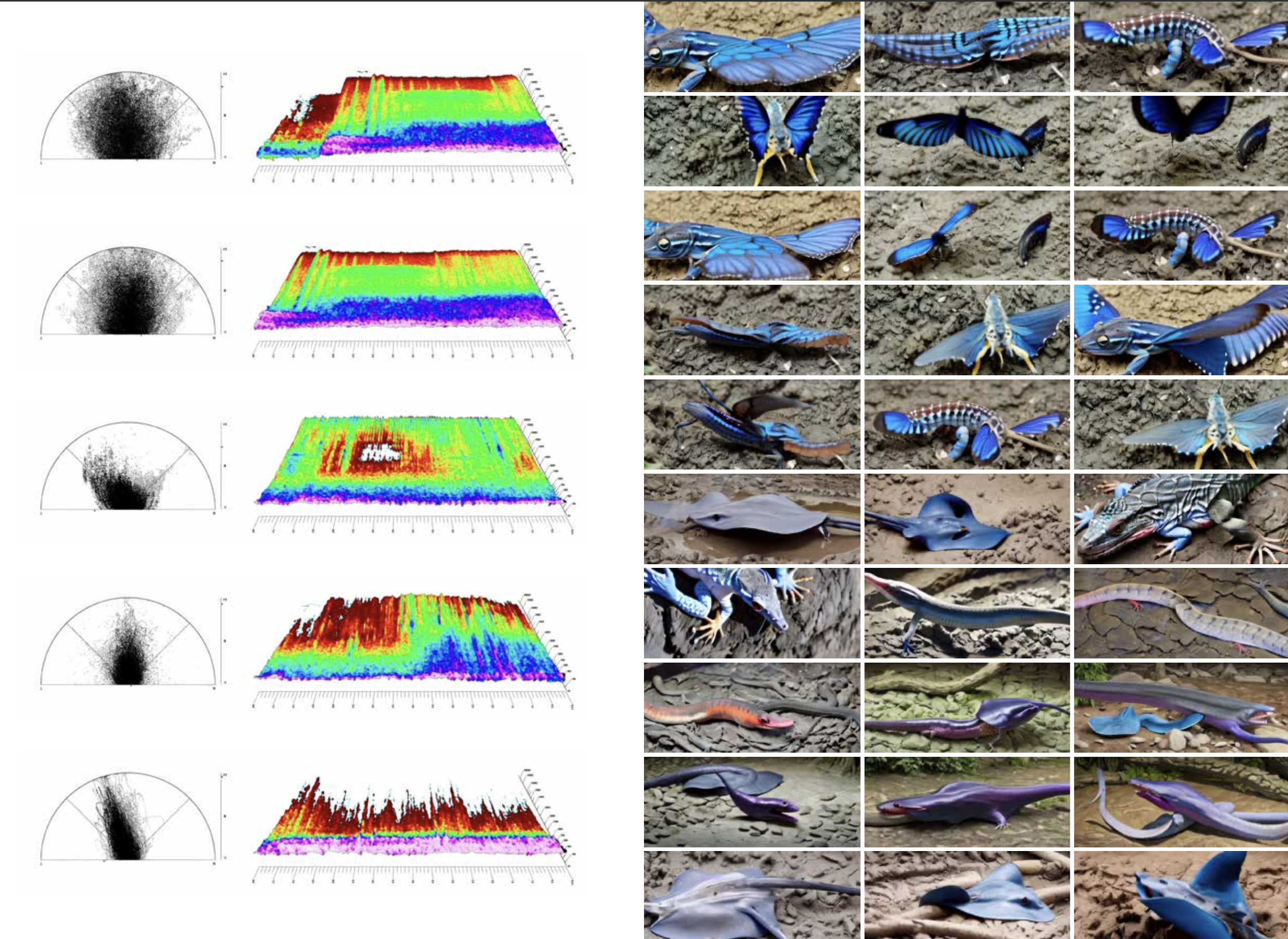
We begin the adventure perched on the edge of the present. Faced with the possible emancipation of machines, Federico Campagna urges us to reconsider how to raise them and what archetypes they will inherit from humanity. There is still time to change the narrative around the unstoppable advance of technology, but we can also, as Darío Alva and Diego Navarro suggest, use AI to imagine creatures that have never existed and never will. A speculative bestiary situated at the boundaries of reality and fiction, much like the way video game players can reach such levels of immersion in fantastical worlds that they blur the boundaries of their own bodies with virtuality, as Carles Àngel Saurí and Guillem Sarrià note.
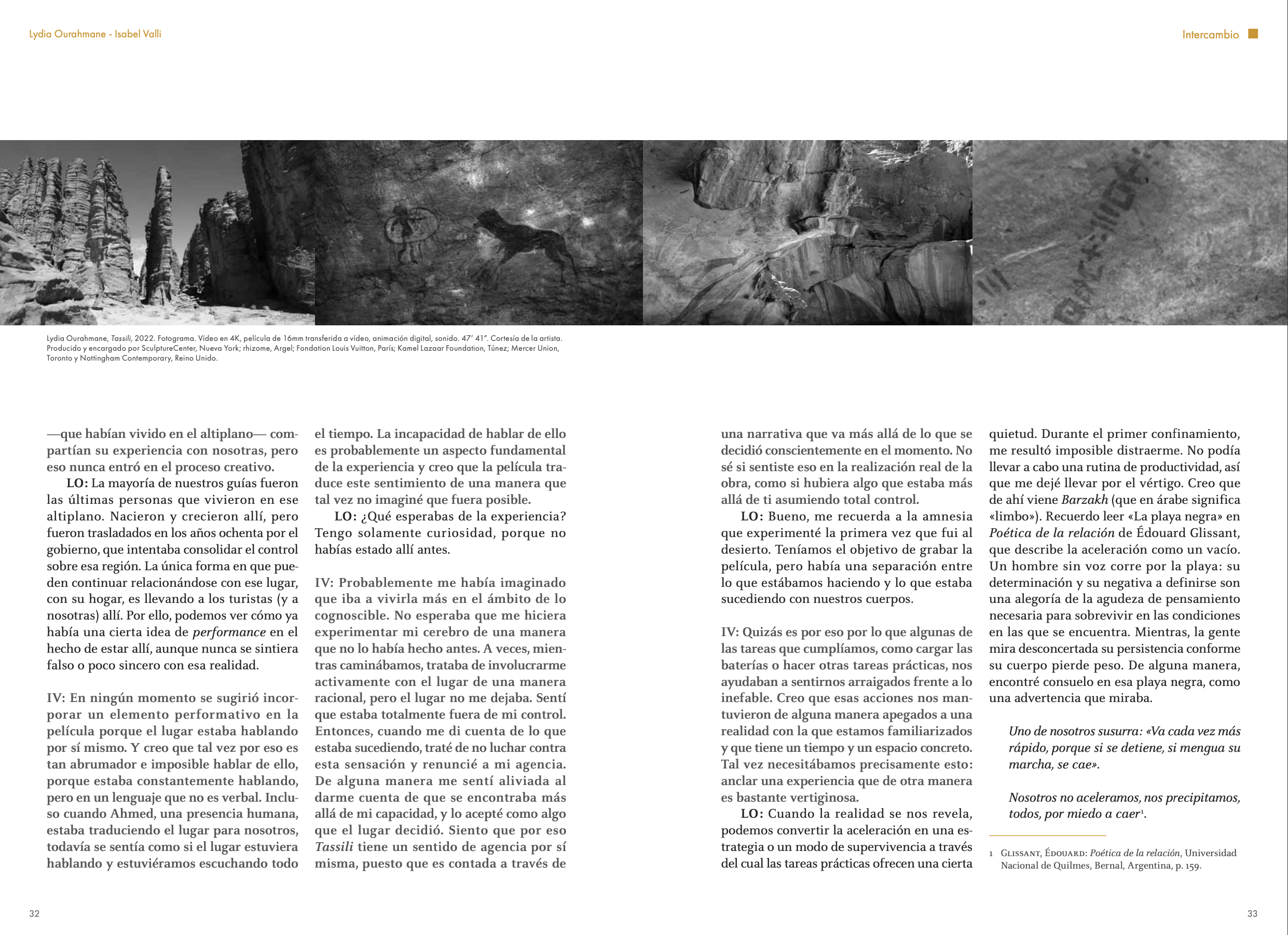
We continue exploring the rugged terrain of fantasy in the Tassili caves (Algeria), where Lydia Ourahmane and Isabel Valli experienced something they felt unable to articulate in words or images, challenging the limits of representation in a place dominated by a different sense of time and space. A feeling of ineffability that the arts can render tangible, as Claudia Rodríguez-Ponga proposes in her exploration of the invisible.
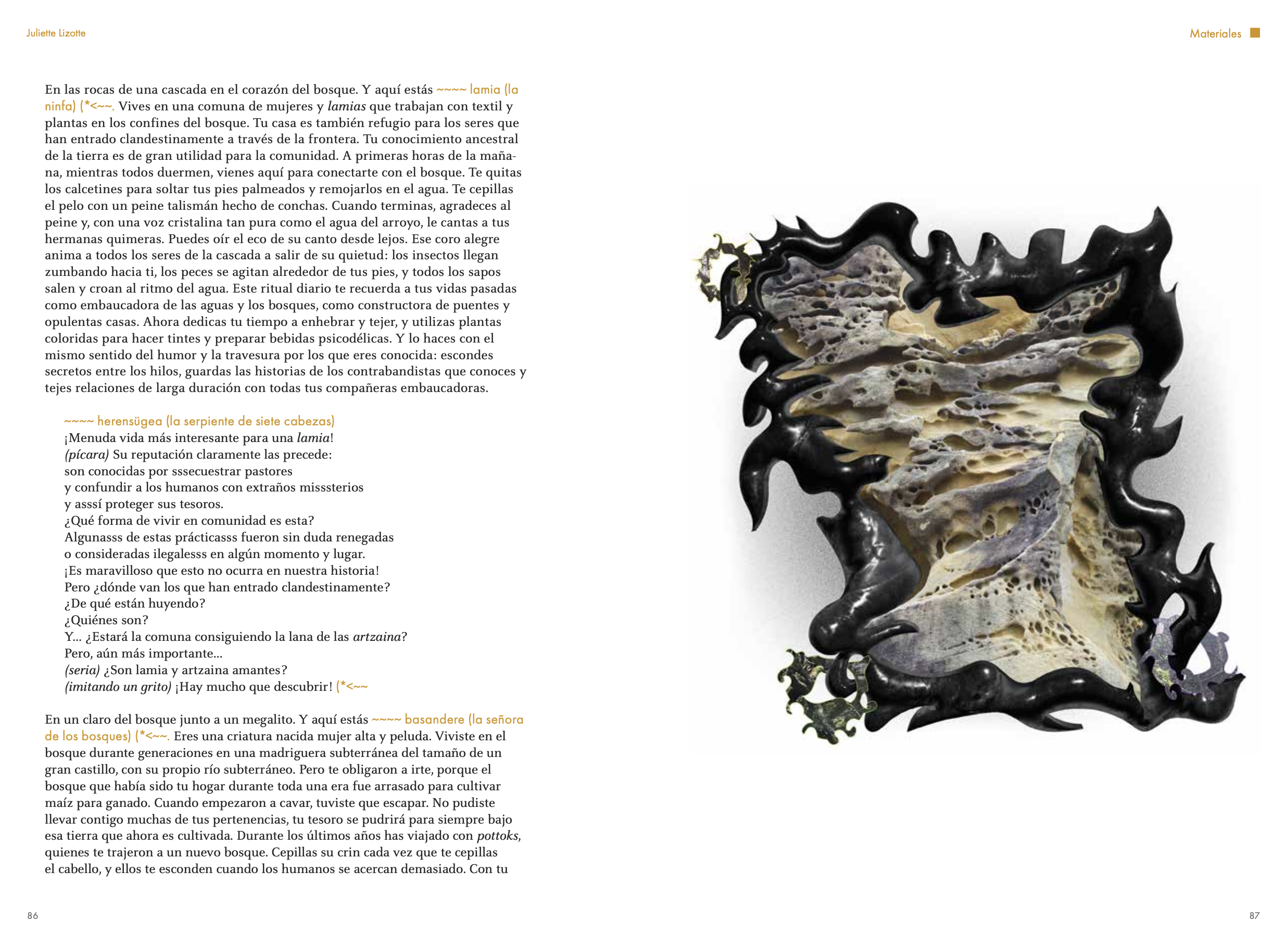
We traverse the forest of Little Red Riding Hood, where nature comes to life. In her essay, Ana Llurba examines the archetypal objects of fairy tales and how their continual recontextualization reveals a contemporary interpretation of animism. Archetypes that, on the one hand, Juliette Lizotte invites us to embody in a tale presented as a role-playing game, and on the other, Yasmine d’O, the mysterious curator of Bergen Assembly 2022, transforms into seven exhibitions that the audience must explore to emulate the fictional and esoteric quest for the “seven faces of the Heptahedron.” Chus Martínez also operates from curatorial practice, understanding magic as the “invisible dynamics” connecting us to other forms of intelligence.
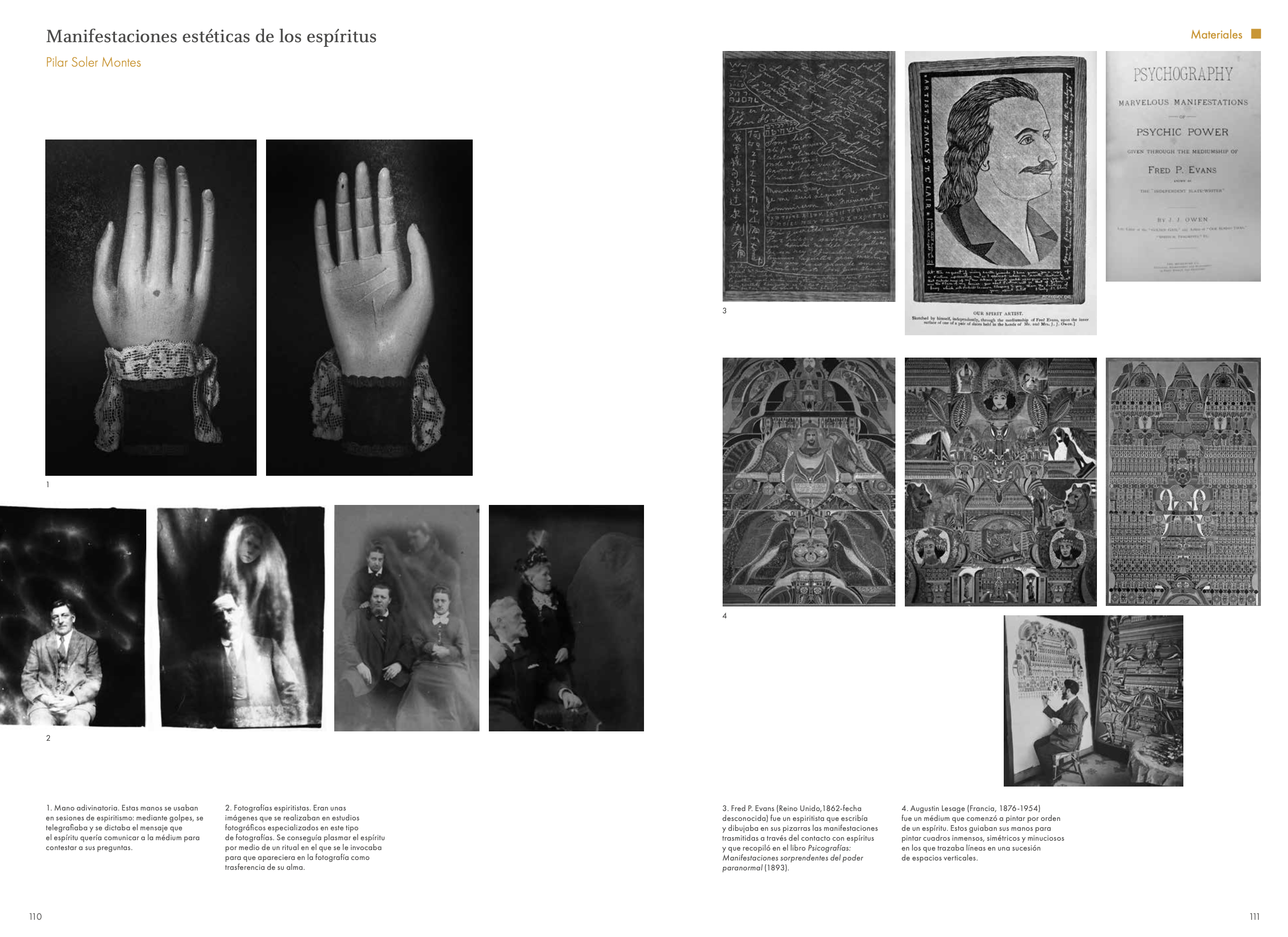
The adventure continues at the Corpus Christi festival in Valencia. In religious rituals, bodies process to celebrate some of the fundamental precepts of the cult. However, Rafael Barber Cortell recounts an exception: in this celebration, the implicit absence in transubstantiation is venerated, revealing a fictional machinery that convinces the faithful to embody the blood and body of Christ. Bodies, in turn, can also serve as portals for transmitting messages from beyond, as Pilar Soler Montes highlights in her genealogy of mediums. Finally, we delve into the depths of time in the texts of Mi You and Álvaro Chior. While the former reformulates the transmission of narratives in Eurasian history as a series of imprecise spatiotemporal coordinates, the latter takes us back to the stories we told around the fire—words whispered into ears, transforming in meaning as they passed from body to body.
The texts and visual interventions in Concreta 21 form a genealogy of the channels through which stories have been told and fictions created throughout time. Parallel universes, portals leading to unknown dimensions, or remixes of elements from oral tradition or mythology observed through a contemporary lens. At the same time, the creation of fictional scenarios and temporalities entails a revision of their codes, a reformulation of the boundaries of narration and representation.
Let us venture forth! Although a possible path has been suggested, the following pages are populated with whispers, echoes, absences and presences, and fantastic beings that help us see, hear, feel, understand, and narrate reality in another way.
Texts by: Federico Campagna, Claudia Rodríguez Ponga, Mi You, Rafa Barber Cortell, Ana Llurba, Álvaro Chior, and Juliette Lizotte.
Conversations with: Lydia Ourahmane, Isabel Valli, Sadâane Afif, Carles Sauri, and Guillem Sarrià.
Visual essays by: Chus Martínez, Pilar Soler Montes, Darío Alva, and Diego Navarro.
We have been telling stories for millennia. First, there were the tales that gathered our communities around the fire, or the legends and traditions passed down from generation to generation. With the rise of the first civilizations, writing was born so that myths, beliefs, and grand narratives could find a medium to endure. Centuries later, stories began circulating systematically and in multiples: the printing press emerged, accelerating the transmission of knowledge about the world. A pace that the information age multiplied, increasing the speed at which images and text circulate in an instant, from the tips of our fingers and across the globe. And as I write these lines, Artificial Intelligence blurs the boundaries between reality and imagination.
The tools we have to tell our world have been shaped by the multiple political, social, and cultural transformations experienced by humanity. Concreta 21 proposes a genealogy of the media, channels, and portals we have employed in fiction through the immaterial, mysterious, and malleable lens of fantasy. Understood as a literary or cinematic genre, or linked to game design, fantasy generates moments of uncertainty or hesitation, where the coordinates of what we consider “real” are altered. It helps us renegotiate hegemonic categories of knowledge and invites us to venture into other places and temporalities that escape our usual ways of seeing, hearing, feeling, understanding, or narrating reality.
We begin the adventure perched on the edge of the present. Faced with the possible emancipation of machines, Federico Campagna urges us to reconsider how to raise them and what archetypes they will inherit from humanity. There is still time to change the narrative around the unstoppable advance of technology, but we can also, as Darío Alva and Diego Navarro suggest, use AI to imagine creatures that have never existed and never will. A speculative bestiary situated at the boundaries of reality and fiction, much like the way video game players can reach such levels of immersion in fantastical worlds that they blur the boundaries of their own bodies with virtuality, as Carles Àngel Saurí and Guillem Sarrià note.
We continue exploring the rugged terrain of fantasy in the Tassili caves (Algeria), where Lydia Ourahmane and Isabel Valli experienced something they felt unable to articulate in words or images, challenging the limits of representation in a place dominated by a different sense of time and space. A feeling of ineffability that the arts can render tangible, as Claudia Rodríguez-Ponga proposes in her exploration of the invisible.
We traverse the forest of Little Red Riding Hood, where nature comes to life. In her essay, Ana Llurba examines the archetypal objects of fairy tales and how their continual recontextualization reveals a contemporary interpretation of animism. Archetypes that, on the one hand, Juliette Lizotte invites us to embody in a tale presented as a role-playing game, and on the other, Yasmine d’O, the mysterious curator of Bergen Assembly 2022, transforms into seven exhibitions that the audience must explore to emulate the fictional and esoteric quest for the “seven faces of the Heptahedron.” Chus Martínez also operates from curatorial practice, understanding magic as the “invisible dynamics” connecting us to other forms of intelligence.
The adventure continues at the Corpus Christi festival in Valencia. In religious rituals, bodies process to celebrate some of the fundamental precepts of the cult. However, Rafael Barber Cortell recounts an exception: in this celebration, the implicit absence in transubstantiation is venerated, revealing a fictional machinery that convinces the faithful to embody the blood and body of Christ. Bodies, in turn, can also serve as portals for transmitting messages from beyond, as Pilar Soler Montes highlights in her genealogy of mediums. Finally, we delve into the depths of time in the texts of Mi You and Álvaro Chior. While the former reformulates the transmission of narratives in Eurasian history as a series of imprecise spatiotemporal coordinates, the latter takes us back to the stories we told around the fire—words whispered into ears, transforming in meaning as they passed from body to body.
The texts and visual interventions in Concreta 21 form a genealogy of the channels through which stories have been told and fictions created throughout time. Parallel universes, portals leading to unknown dimensions, or remixes of elements from oral tradition or mythology observed through a contemporary lens. At the same time, the creation of fictional scenarios and temporalities entails a revision of their codes, a reformulation of the boundaries of narration and representation.
Let us venture forth! Although a possible path has been suggested, the following pages are populated with whispers, echoes, absences and presences, and fantastic beings that help us see, hear, feel, understand, and narrate reality in another way.
Texts by: Federico Campagna, Claudia Rodríguez Ponga, Mi You, Rafa Barber Cortell, Ana Llurba, Álvaro Chior, and Juliette Lizotte.
Conversations with: Lydia Ourahmane, Isabel Valli, Sadâane Afif, Carles Sauri, and Guillem Sarrià.
Visual essays by: Chus Martínez, Pilar Soler Montes, Darío Alva, and Diego Navarro.